
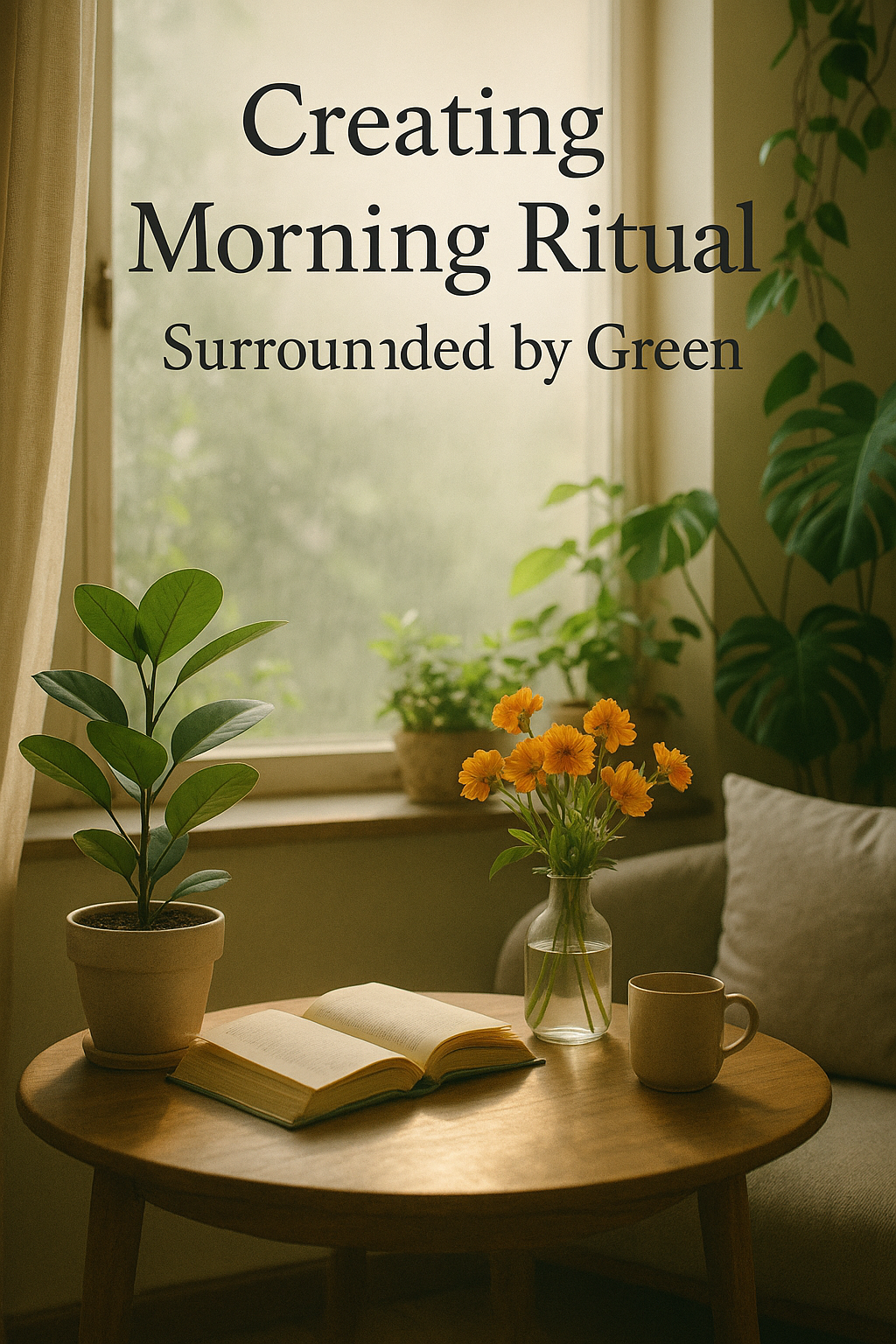
Creating Green Beauty Without Breaking the Bank
There is something quietly transformative about bringing plants into a home. They soften our routines, they shift the air, and they offer a living presence that no object can replicate. For those new to plant care, the journey often begins with equal parts excitement and hesitation — especially when budgets are tight.
But here is a truth that every gardener, florist, or city-dwelling plant lover eventually learns: cultivating beauty through plants does not have to be expensive. In fact, it’s often the simplest choices and small rituals that bring the most joy and the greatest sense of connection to the natural world.
This article is a guide for beginners who wish to begin their botanical journey with care, intention, and creativity — all while keeping the investment modest and manageable.
Start Small: Let Simplicity Lead the Way
The first principle of affordable plant care is to begin with humility. A single plant — thoughtfully chosen and well-placed — can change the character of a room.
Some of the best starter plants for beginners are also the most resilient and budget-friendly:
- Pothos (Epipremnum aureum) – fast-growing, tolerant of low light, and beautiful in hanging pots or climbing shelves
- Spider Plant (Chlorophytum comosum) – cheerful, air-purifying, and produces free “babies” to propagate
- Snake Plant (Sansevieria) – nearly indestructible, sculptural, and low maintenance
- Peace Lily (Spathiphyllum) – elegant and forgiving, with occasional white blooms
- Succulents – ideal for sunny windowsills and require minimal watering
Choose one or two plants that suit your lighting and space. Let them become companions in your learning process.
Repurposed Vessels: Beauty Beyond the Garden Center
You don’t need designer pots or imported planters to begin your plant care journey. Beauty often lives in reuse.
Look around your home. A chipped teacup, an old ceramic bowl, a vintage tin, or a glass jar can become a charming container for your new green friend. Just ensure there is adequate drainage — or add pebbles at the bottom to help prevent root rot.
The vessel becomes part of the story. It’s a reflection of your creativity and resourcefulness. A $3 pothos cutting in a secondhand mug is no less beautiful than a $60 plant in a boutique pot. Often, it is more so — because it carries your touch.
The Gentle Art of Propagation
One of the greatest secrets in plant care — especially for those on a budget — is propagation. Many plants can be multiplied at no cost, offering a quiet lesson in patience and generosity.
- Pothos and philodendrons can be trimmed and rooted in water within days.
- Spider plants produce pups that can be separated and planted.
- Succulents often sprout from fallen leaves.
- Mint and basil from the grocery store can root in water and thrive in soil.
Propagation is not only economical, it is poetic. It teaches us that growth begins with care, and that from a single leaf, abundance can emerge.
Affordable Tools and Gentle Maintenance
You don’t need expensive gardening tools to take care of indoor plants. A few everyday items — many already in your kitchen — will serve just fine.
- Use a spoon as a mini trowel.
- Use a spray bottle for misting foliage.
- Reuse old toothbrushes to gently clean leaves.
- Repurpose a fork to loosen compacted soil.
- Keep a small watering can — or even a teapot — for gentle hydration.
Most plants prefer consistency over complication. Regular watering (according to need), occasional rotation for even growth, and a gentle wipe of dusty leaves can make all the difference.
Understanding Light Without Special Equipment
Light is a plant’s language — and understanding it doesn’t require expensive meters or apps.
Simply observe:
- Which windows receive direct sun (ideal for succulents, jade plants, and basil)?
- Where does indirect light settle in the afternoon (perfect for pothos, peace lilies, and ferns)?
- What areas remain in shade most of the day (consider snake plants or ZZ plants)?
Notice how the sun moves across your room. Let your plants follow the light — and they will teach you how to care in return.
Homemade Fertilizers and Natural Boosters
Plant nutrition doesn’t require fancy formulas. Many common household items offer gentle, natural nourishment:
- Banana peels steeped in water make a potassium-rich tonic.
- Used coffee grounds (sparingly) can enrich the soil for acid-loving plants.
- Crushed eggshells add calcium and help balance pH.
- Compost tea from kitchen scraps is full of nutrients.
Use sparingly and observe. The key is moderation — and knowing that your plants often need less than you think.
Create Ritual, Not Routine
Caring for plants should not feel like a checklist. Let it become a moment of connection. Water your plants in the morning light, or while music plays in the background. Trim yellowing leaves not with urgency, but with mindfulness.
You are not just caring for foliage — you are cultivating presence.
Build Slowly, Grow Steadily
Plant care is not a race to fill every corner with green. It’s a slow and loving expansion. Add one plant a month. Propagate from what you have. Visit plant swaps in your community or exchange cuttings with friends.
Let your collection grow as your knowledge does. And let it remain affordable — not just financially, but emotionally.
Final Thought: Richness in Green
Affordable plant care is not about spending less. It’s about discovering more — in attention, in transformation, in the quiet companionship of a living thing.
A single leaf stretching toward the light. A bloom unfolding after weeks of anticipation. The joy of seeing a new root in water.
These are riches no money can buy.
So begin with a plant. Let it teach you presence, patience, and delight. Your home will change, yes — but so will you.